Solar Reactive Synthesis of Ti–Al Intermetallics for High-Temperature Aerospace Applications
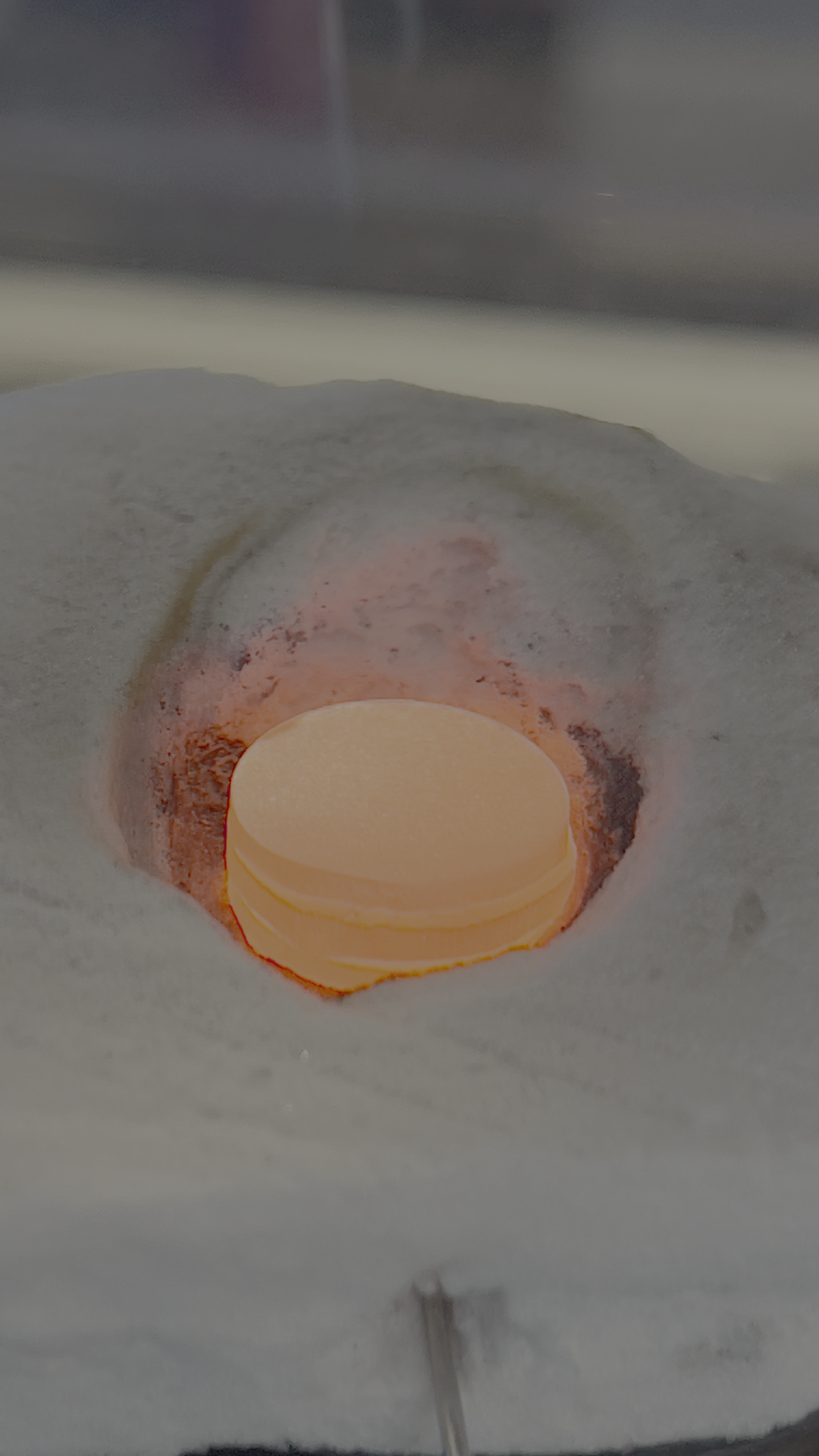
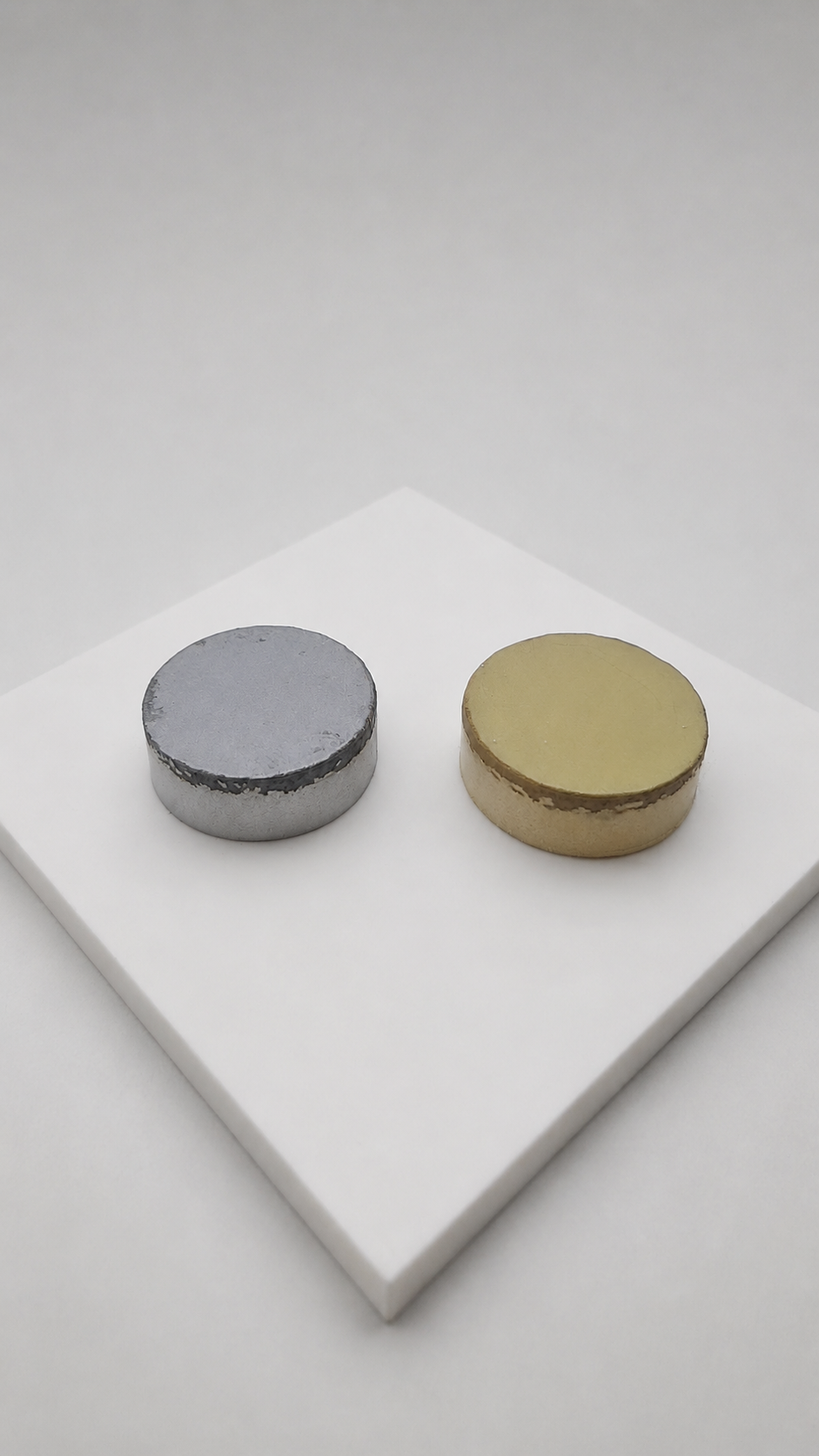
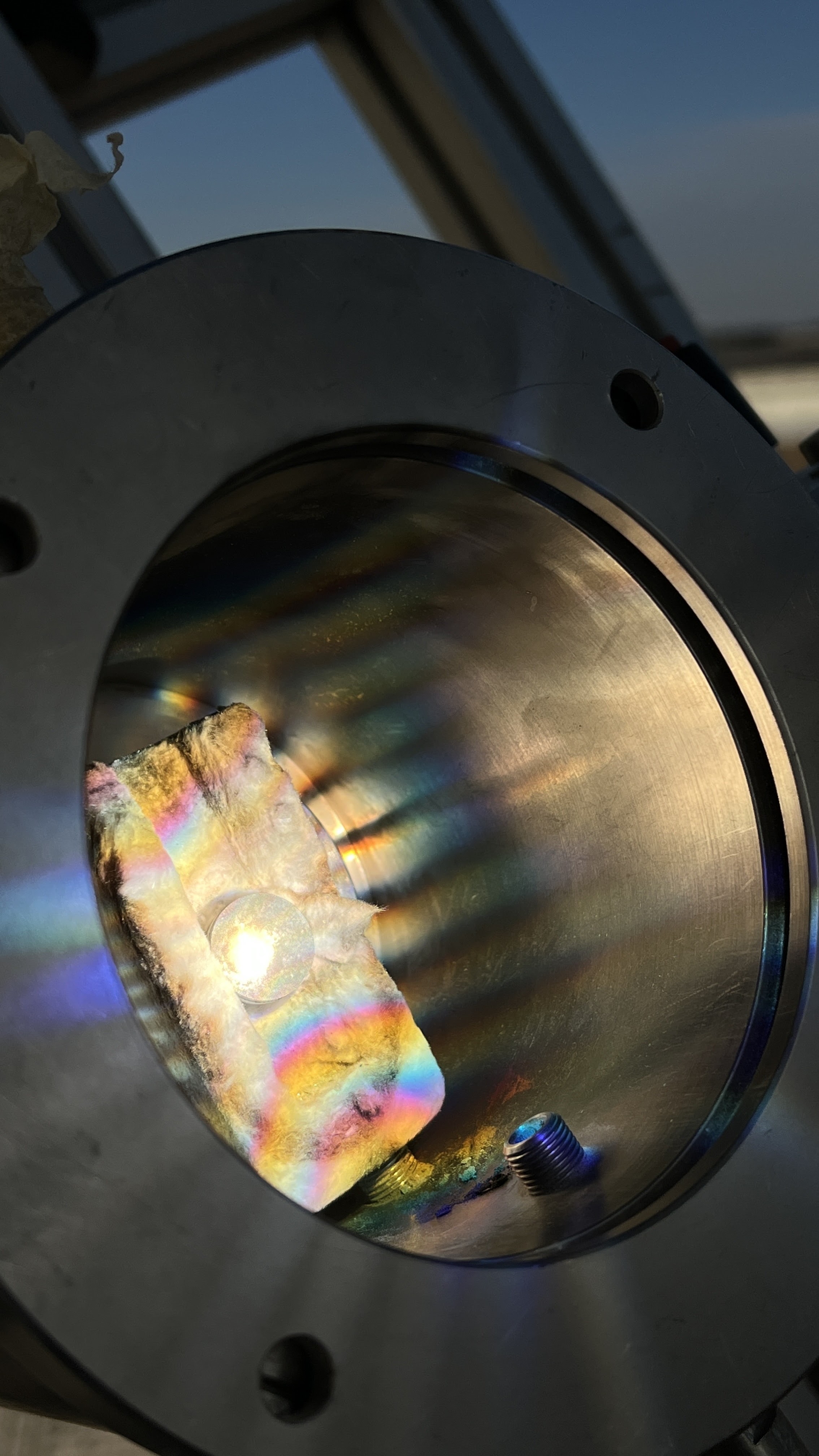
Ti–Al intermetallics are promising materials for high-temperature aerospace and space applications, combining thermal stability and oxidation resistance with significantly lower density than conventional superalloys. This project develops monolithic, multilayer, and functionally graded Ti–Al systems through reactive sintering at the PROMES-CNRS solar furnace in Odeillo. Highly concentrated solar radiation provides the rapid heating rates and high temperatures required to activate exothermic SHS reactions, enabling fast, energy-efficient, and sustainable synthesis and consolidation. Beyond turbine and aircraft engine components, these materials are also explored for space thermal protection systems, with potential to replace conventional ablative materials in reusable launch vehicles and enable more durable, lightweight, and reusable high-temperature structures.